Introduction
Are you ready to launch your online business but not sure where to begin? You’re in the right place! In this
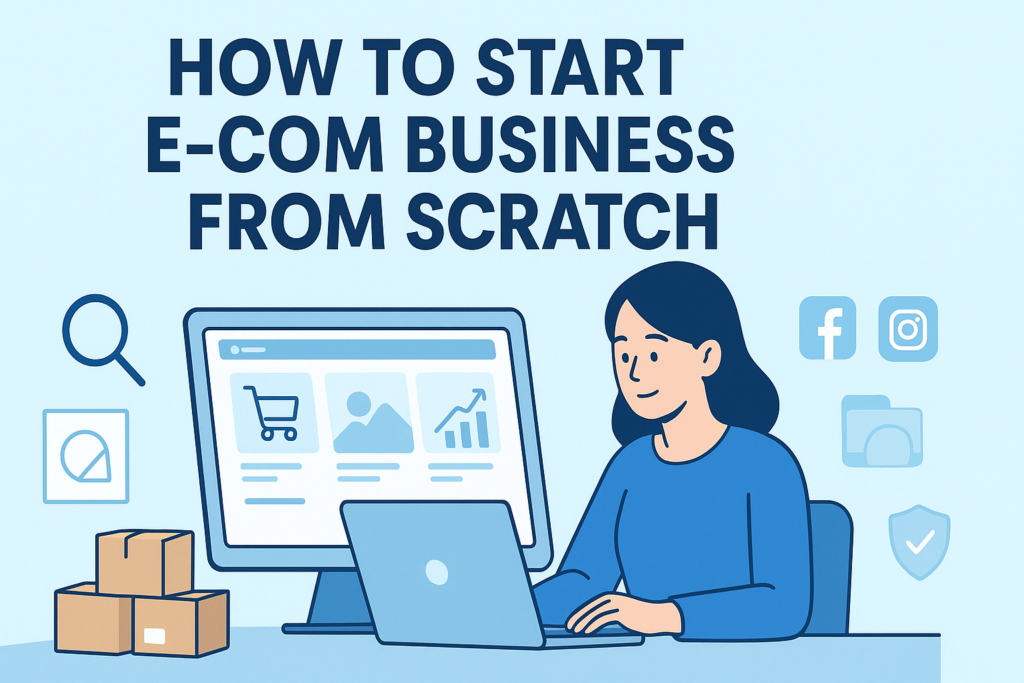
how to start e-com business from scratch full guide in 2026, we’ll break down everything you need to build a profitable e-commerce brand—even if you’re a complete beginner. Whether you want to create a side income or build a long-term digital business, this guide will walk you through every essential step. From choosing the right products and setting up your online store to mastering marketing strategies and scaling your sales, you’ll learn exactly how to navigate the world of e-commerce with confidence. Get ready to turn your business idea into a successful online store!
Understanding the E-commerce Landscape

Image courtesy:
Unsplash
Starting an e-commerce business is like embarking on a thrilling journey, but before you take off, it’s crucial to understand the landscape. E-commerce isn’t just about setting up a website and selling products; it’s a dynamic industry that’s continually evolving.
Key Trends in E-commerce
Keeping up with key trends can give you a competitive edge. Here are some trends shaping the e-commerce world today:
–
Mobile Shopping: With smartphones glued to our hands, mobile commerce is booming. Ensure your online store is mobile-friendly.
–
Sustainability: More consumers are leaning toward eco-friendly products. Consider incorporating sustainability into your business model.
–
Personalized Shopping Experiences: Offering personalized product recommendations based on shopping behavior can enhance customer satisfaction.
–
Social Commerce: Platforms like Instagram and Facebook are becoming popular avenues for direct shopping experiences.
–
AI and Chatbots: Utilizing AI can improve customer service and streamline operations.
Benefits of Starting an E-commerce Business
Why start an e-commerce business? Here are some compelling benefits:
–
Low Operating Costs: Without the need for a physical storefront, overhead costs can be significantly lower.
–
Global Reach: Unlike traditional brick-and-mortar stores, your customer base isn’t limited by geography.
–
Flexibility and Customization: You have the freedom to operate your store at any time and customize it according to your preferences.
–
Scalability: E-commerce businesses can be scaled quickly based on demand and market conditions.
Conducting Market Research
Before you dive into selling, conducting thorough market research is crucial. This helps you understand what your potential customers want and how to stand out in the competition.
Identifying Your Target Audience
Knowing who your audience is helps tailor your offerings and marketing strategies. Consider:
–
Demographics: Age, gender, location, and income level.
–
Behavioral Patterns: What are their buying habits? What are their preferred methods of communication?
–
Psychographics: What are their interests, values, and lifestyle choices?
Analyzing Competitors
Understanding your competition helps you identify gaps and opportunities. Dive into:
–
Products and Pricing: What are they offering? How competitively are they pricing their products?
–
Customer Reviews: What are people saying about them? Use this information to identify areas for improvement.
–
Marketing Strategies: How are they reaching their audience? Examine their social media presence, email marketing, and SEO tactics.
Finding Profitable Niches
Zeroing in on the right niche can make or break your e-commerce business. Here’s how to find profitable niches:
–
Trendy but Timeless: Look for popular products with lasting appeal.
–
Research Demand: Use tools like Google Trends or Keyword Planner to gauge interest levels.
–
Niche Communities: Engage with online communities to understand what people are passionate about.
By understanding the e-commerce landscape and doing your homework with market research, you’re laying a solid foundation for your online business empire. So, grab that entrepreneurial spirit and let’s get started!
Developing a Business Plan
Crafting a business plan is like plotting a treasure map for your e-commerce venture. It helps you navigate through various business challenges and seize opportunities.
Defining Your Business Model
The first step in developing your business plan is to define your business model. Are you going to sell products, services, or a mix of both? Consider whether you want to run a B2C (business-to-consumer) or a B2B (business-to-business) model. Additionally, decide if your products will be handmade, outsourced from suppliers, or dropshipped directly from manufacturers. Each choice has unique benefits and challenges, so pick the one that aligns best with your vision.
Setting Clear Goals and Objectives
Next, it’s essential to set clear goals and objectives. What do you want to achieve with your online store? Maybe you want to make $10,000 in sales in your first three months or establish a strong brand presence in a specific niche. Whatever they are, make sure your goals are SMART—Specific, Measurable, Achievable, Relevant, and Time-bound. This clarity keeps you focused and motivated on your e-commerce journey.
Financial Planning and Budgeting
Now let’s talk numbers. Financial planning and budgeting are crucial for sustaining your business. Start by estimating your initial costs, including website setup, inventory, marketing, and operations. Don’t forget to project your expected revenue and profit margins. By balancing these figures, you can create a realistic budget, set price points that attract customers, and manage cash flow effectively.
Setting Up Your Online Store
With your business plan ready, it’s time to bring your e-commerce store to life!
Choosing the Right E-commerce Platform
Choosing the right e-commerce platform is vital as it serves as the foundation of your
online store. Platforms like Shopify, WooCommerce, and BigCommerce offer various features and pricing plans. Compare them based on usability, scalability, and available integrations to match your business needs perfectly.
Designing a User-friendly Website
User experience plays a critical role in e-commerce success. Design a user-friendly website that’s easy to navigate, visually appealing, and mobile-responsive. Your customers should easily find what they’re looking for and check out without hassle. Remember, first impressions matter!
Essential Features for E-commerce Success
To ensure e-commerce success, incorporate essential features such as secure SSL certification for safe transactions, an efficient search bar for easy browsing, high-quality images, and detailed product descriptions. Providing multiple payment options and a smooth checkout process will reduce cart abandonment rates and boost sales. Don’t forget to include customer reviews and an FAQ section to build trust and answer common queries. Your store is now ready to welcome eager shoppers!
Building Your Brand
Starting an e-commerce business isn’t just about setting up a website and listing products. It’s about creating a brand that resonates with your target audience, gains their trust, and leaves a lasting impression. Let’s dive into how you can effectively build your brand.
Creating a Unique Brand Identity
Your brand identity is crucial to standing out in a crowded market. It includes your business name, logo, colors, and the voice and tone you use when communicating with customers. Think of your brand as the personality of your business. Here are a few tips to create a unique brand identity:
– Choose a memorable name that reflects your brand values.
– Design a logo that captures the essence of your business.
– Select color schemes and fonts that align with your brand message.
– Maintain a consistent brand voice across all platforms and communications.
Establishing Trust with Customers
Trust is the foundation of any successful business, and even more so online where face-to-face interactions are absent. To build trust with your customers:
– Ensure your website is secure with HTTPS.
– Display customer reviews and testimonials prominently.
– Develop clear policies for returns and exchanges.
– Offer reliable and responsive customer support.
Developing a Content Strategy
A robust content strategy helps you stay connected with your audience and establish authority in your niche. Consider creating a variety of content, such as:
– Blog posts that educate and inform your audience about your products and industry.
– Videos and tutorials showcasing product features.
– Social media content that engages and interacts with your customers.
Implementing Marketing Strategies
Once you’ve established your brand, it’s time to market your online store effectively. Here are some key strategies you should consider:
Utilizing SEO for E-commerce
SEO, or search engine optimization, is vital to drive organic traffic to your store. To optimize your site for search engines:
– Use relevant keywords in your product descriptions and blog content.
– Optimize your website’s load speed and mobile compatibility.
– Build backlinks from reputable sites.
Leveraging Social Media Marketing
Social media platforms are excellent for promoting your business and engaging with customers. Here’s how to make the most of them:
– Create engaging content tailored to each platform’s audience.
– Use paid ads to reach a broader audience.
– Engage with your followers by responding to comments and messages.
Email Marketing and Customer Retention
Email marketing helps keep your brand at the forefront of customers’ minds and encourages repeat business. Here are some strategies for effective email marketing:
– Segment your email lists to target specific customer groups.
– Send personalized offers and product recommendations.
– Provide value through newsletters, promotions, and exclusive content.
By building a strong brand and implementing these strategic marketing techniques, you’ll be well on your way to launching a successful e-commerce business!
Managing Operations and Logistics
Once you’ve got your e-commerce store up and running, managing operations and logistics is key to ensuring smooth business function. This involves keeping track of inventory, order fulfillment, and customer service. Let’s dive in!
Inventory Management
Efficient inventory management is crucial to your e-commerce strategy. You don’t want to be caught off-guard with an “out of stock” situation or overstock your storage. Here are some tips for effective inventory management:
–
Use Inventory Management Software: Leverage technology to automate and streamline inventory processes. Tools like TradeGecko or Zoho Inventory can help track stock levels in real-time.
–
Implement Just-in-Time (JIT) Inventory: Order stock as you need it to reduce holding costs. This strategy keeps your inventory lean and adapted to demand.
–
Regular Audits: Periodically audit your inventory to ensure accuracy and identify discrepancies before they affect customer satisfaction.
Order Fulfillment and Shipping
Order fulfillment is at the heart of your e-commerce operations. Ensuring that products reach your customers on time is vital.
–
Outsource to a Fulfillment Service: If handling orders is taking too much time, consider outsourcing to a company that specializes in fulfillment.
–
Offer Multiple Shipping Options: Cater to a wider audience by offering various shipping methods, from standard to expedited delivery.
–
Monitor Shipping Costs: Keep shipping costs in check by negotiating with carriers for better rates or using shipping platforms that offer discounted rates.
Customer Service Best Practices
Happy customers are repeat customers! Here are some best practices:
–
Be Responsive: Quickly address customer inquiries and issues through email, chat, or phone support.
–
Provide Self-Service Options: Implement a comprehensive FAQ section or a knowledge base on your website for customers to find answers independently.
–
Gather Feedback: Regularly solicit feedback to discern what your business is doing well and where you can improve.
Measuring and Analyzing Success

Image courtesy:
Unsplash
To thrive in the digital business realm, you need to continuously measure and analyze your performance.
Key Performance Indicators (KPIs)
KPIs are essential in evaluating the success of your online store. Key indicators to track include:
–
Conversion Rate: The percentage of visitors who make a purchase.
–
Average Order Value (AOV): The average amount spent each time a customer places an order.
–
Customer Lifetime Value (CLV): How much revenue a customer is expected to generate during their business relationship with you.
Utilizing Analytics Tools
Platforms such as Google Analytics provide comprehensive insights into customer behavior and sales patterns. Use these tools to:
– Track user visits and understand site navigation.
– Measure where your traffic is coming from (e.g., social media, organic search, paid ads).
Making Data-driven Decisions
Rely on collected data to make informed decisions about inventory, marketing strategies, and operational adjustments. Insights from analytics can guide:
– Pricing strategies.
– Marketing campaign focus.
– Inventory adjustments based on sales trends.
Keep these strategies in mind to enhance your e-commerce business, ensuring it runs efficiently and effectively. By understanding the mechanics of operations and keeping a close eye on performance metrics, you’ll set your store up for long-term success!
Conclusion
Starting an
e-commerce business from scratch may seem daunting at first, but breaking it down into manageable steps can make the process smoother. Remember, it’s all about finding the right niche, creating a user-friendly online store, and crafting a winning strategy to attract and retain customers. Here’s a quick recap:
– Research and choose a niche
– Build an attractive, functional online store
– Implement effective marketing strategies
– Provide excellent customer service
With determination and the right tools, you’ll be on your way to a successful digital business. So, take a deep breath, roll up your sleeves, and start building the e-commerce store of your dreams. Happy selling!