
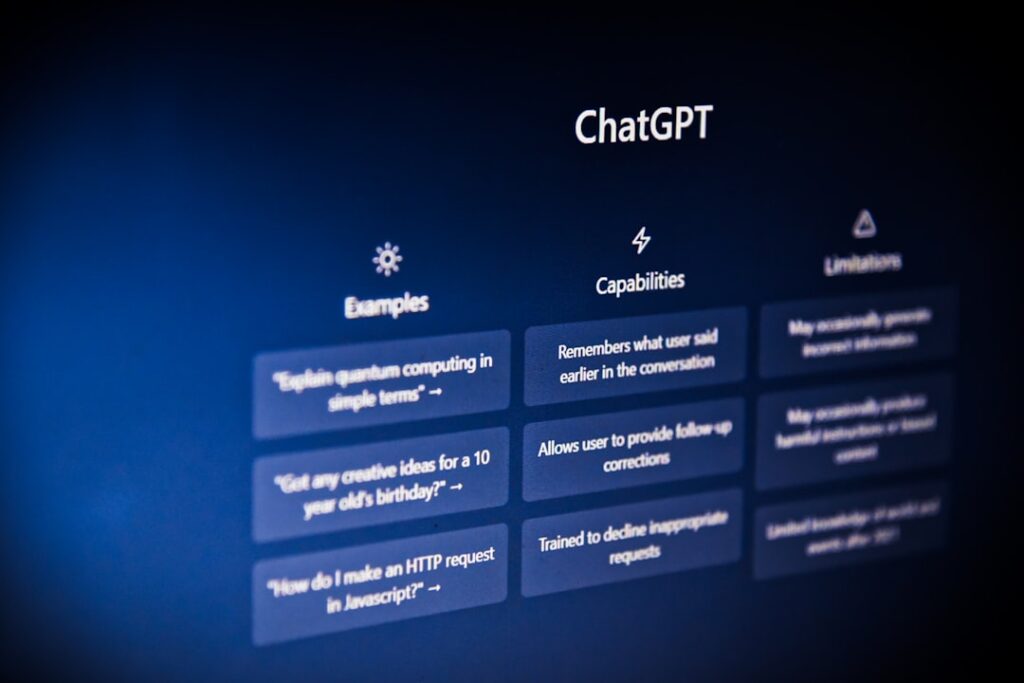

Introduction to ChatGPT
In the world of customer service, innovation is key, and ChatGPT is leading the charge. But what exactly is ChatGPT? In simple terms, it’s an AI-powered tool designed to make communication smooth and efficient. By leveraging advanced language models, it offers automated support that feels almost like speaking with a human. Companies are embracing ChatGPT to handle routine inquiries, provide instant responses, and elevate customer experiences. Let’s dive deeper into how it’s reshaping customer service with ease and precision!
The Role of AI in Customer Service
In recent years, artificial intelligence (AI) has become a cornerstone in transforming industries across the globe. One of the most significant areas experiencing this revolution is customer service. With the advancement of AI technologies, businesses now have the tools to offer more efficient, effective, and satisfactory customer support.
AI and Automation: Revolutionizing Support
The integration of AI in customer service primarily revolves around automation. Automation can take care of repetitive and mundane tasks, freeing up human agents to handle more complex issues that require a personal touch. By streamlining processes such as ticket sorting, information retrieval, and initial customer interaction, AI allows businesses to speed up their support services while maintaining accuracy.
Imagine a world where customers can resolve basic inquiries or technical problems without waiting in long queues! AI tools analyze and understand customer queries and provide instant resolutions. This use of automation reduces the time customers spend dealing with issues, improving their overall experience. In addition, it also minimizes human errors, which can happen from handling countless tasks every day.
Virtual Assistants: Enhancing Customer Experience
Virtual assistants powered by AI are like your trusty sidekick for customer service teams. These digital helpers are designed to understand and interpret human language, making them able to interact with users as if they were humans themselves. Consider a virtual assistant that can schedule appointments, provide product information, or even track orders. These AI systems can handle these tasks without breaking a sweat, delivering accurate and helpful responses in real-time.
Many businesses today employ virtual assistants to interact with customers through various platforms, such as websites, apps, or social media. These assistants are available 24/7, ensuring that customers can receive support whenever they need it. Plus, virtual assistants keep improving with every interaction, learning from new data to provide even better service over time.
ChatGPT: A Game Changer in AI Chatbots
Among the leading AI tools democratizing customer service is ChatGPT, an AI chatbot that’s making waves with its ability to engage in human-like conversations. ChatGPT uses deep learning to understand, predict, and generate human language. Unlike traditional chatbots that follow a script, ChatGPT can recognize the nuances and context of customer queries and provide thoughtful, relevant responses.
ChatGPT’s advanced natural language processing capabilities allow it to take customer interaction to the next level. It not only understands basic requests but can also handle more complex problems by picking out keywords and analyzing the overall context. This capability makes it an invaluable asset for businesses aiming to provide top-notch, empathetic customer support.
Benefits of ChatGPT in Customer Support

The integration of ChatGPT into customer service strategies has opened a door to numerous benefits that were once beyond reach. Let’s explore how ChatGPT is revolutionizing the customer support landscape:
Instant Response and 24/7 Availability
In our fast-paced world, instant gratification is paramount. Waiting on hold or sending endless back-and-forth emails can drive even the most patient customer up the wall. ChatGPT addresses this concern head-on by providing immediate responses to customer queries. It’s like the superhero of automated customer service—swiftly addressing issues and providing solutions without any delays.
Furthermore, ChatGPT is available around the clock, which is crucial for businesses operating globally. Whether it’s midnight or noon, your customers will always find ChatGPT ready to assist. This 24/7 availability means less waiting and more doing, enhancing customer satisfaction and loyalty.
Personalized Customer Interactions
Customers value feeling understood and appreciated by the companies they interact with. ChatGPT helps businesses achieve this by providing personalized interactions. Leveraging enormous datasets, ChatGPT can remember past interactions and learn preferences over time, allowing businesses to tailor their responses to individual customer needs.
By creating an engaging and individualized experience, ChatGPT leaves a lasting impression. Whether it’s recalling a customer’s previous issues or suggesting products based on past purchases, the chatbot demonstrates a level of attentiveness that can foster a deeper connection with customers.
Scalability and Cost Efficiency
As businesses grow, so do the demands on their customer service departments. Scaling up human resources to meet these demands can be both challenging and costly. Fortunately, ChatGPT allows businesses to scale their customer support effortlessly and cost-effectively. No more frenzied hiring or training periods—ChatGPT is ready to handle as many customer interactions as needed without compromising on quality.
Moreover, ChatGPT reduces staffing costs by handling a significant portion of customer inquiries automatically. It can even support customer service representatives by gathering information and pre-processing tickets, allowing human agents to focus on cases that require more nuanced solutions. This kind of efficiency is a win-win for companies looking to optimize their resources while maintaining high standards in customer service.
By reducing operational expenses and increasing productivity, companies can redirect resources to other critical areas, fueling innovation and continuing growth.
In conclusion, AI is undeniably reshaping the customer service industry, with transformative effects being realized through automation, virtual assistants, and cutting-edge tools like ChatGPT. As we look to the future, embracing these technologies will be key for companies striving to deliver exceptional customer experiences while improving efficiency and minimizing costs.
Challenges and Considerations
In the ever-evolving world of AI, companies leveraging tools like ChatGPT face several challenges and considerations. While the benefits are numerous, it’s crucial to navigate the AI landscape thoughtfully to ensure a seamless customer experience.
Balancing AI and Human Touch
When it comes to customer service, striking the right balance between AI automation and the human touch can be tricky. On one hand, AI-driven chatbots like ChatGPT offer remarkable efficiency, handling multiple queries simultaneously and speeding up response times. On the other hand, customers still crave genuine human interaction, especially when dealing with complex or emotional issues.
To get this balance right, businesses can:
– Identify Routine Queries: Use ChatGPT for frequently asked questions and routine customer support issues. By automating such tasks, human agents have more time to focus on less straightforward inquiries.
– Personalize AI Interactions: Program ChatGPT to recognize when a query might require a human touch and provide customers the option to seamlessly transition to a live agent. This ensures that customers feel valued and understood.
– Training and Oversight: Ensure that human agents are well-trained in both traditional customer service and in overseeing AI interactions. They should be capable of taking over when a conversation becomes too nuanced or demanding for AI.
By integrating AI and humans in a complementary manner, businesses can deliver a superior customer service experience that is both efficient and empathetic.
Data Privacy and Security Concerns
As companies increasingly rely on ChatGPT for customer interactions, safeguarding data privacy and ensuring robust security measures are paramount. Given that chatbots often handle sensitive information, like personal details and payment data, there are significant privacy considerations at play.
Here’s what businesses can focus on:
– Compliance with Regulations: Stay updated with data privacy laws, like the GDPR and CCPA, ensuring that the use of AI aligns with legal standards. This not only reduces legal risks but also builds trust with customers.
– Encryption and Data Protection: Implement strong encryption methods to protect customer data during AI exchanges. Data breaches can tarnish a company’s reputation and lead to significant financial losses.
– Transparency and Consent: Clearly communicate with customers about how their data will be used and obtain their explicit consent. Providing detailed privacy policies and easy-to-understand terms helps customers feel in control of their personal information.
– Monitor and Limit Data Usage: Limit the amount of data collected to only what’s necessary for service improvement. Continuous monitoring of data access and use prevents unauthorized retrieval or misuse.
By addressing these privacy and security considerations, companies can reassure customers and foster a trustful relationship, encouraging more people to engage with their AI-based systems.
Continuous Improvement and Updating
As with any technology, continuous improvement in AI is essential to meet the changing needs of businesses and customers. ChatGPT is no different—it needs regular updates and enhancements to remain effective and relevant.
To ensure ChatGPT remains sharp:
– Feedback Loop: Implement a system for collecting and analyzing customer feedback. Insights gained from users can guide updates and pinpoint areas that need refining.
– Regular Software Updates: Keep the AI software up-to-date with the latest advancements. Developers frequently release new versions that enhance capabilities, improve accuracy, and fix bugs.
– AI Training and Algorithms: Continuously train ChatGPT with new data to enhance its understanding and responses. Using diverse and comprehensive datasets ensures that AI provides accurate and unbiased answers.
– Benchmarking and Testing: Regularly benchmark ChatGPT against industry standards and test its performance. This not only helps maintain its competitiveness but also demonstrates a commitment to quality.
Maintaining an ongoing improvement cycle not only maximizes the potential of ChatGPT but also ensures that it remains a valuable asset in a company’s customer service strategy.
As businesses continue to explore the capabilities of AI in customer service, understanding and addressing these challenges and considerations is crucial. By pairing technology with thoughtful strategies and practices, customers will not only benefit from improved service but will also enjoy a relationship built on trust and innovation.
Future of ChatGPT in Customer Service
The future looks bright for ChatGPT and its role in customer service. As AI technology advances, we can expect ChatGPT to become even more intuitive and capable, handling increasingly complex customer queries with ease. A few possibilities for the future include:
– Enhanced Personalization: Imagine AI that understands your needs before you ask. ChatGPT could offer personalized experiences by learning from past interactions.
– Multichannel Support: ChatGPT might seamlessly integrate across various platforms, offering consistent service whether you’re texting on your phone, chatting on a website, or using a smart speaker.
– Proactive Engagement: Instead of waiting for customers to reach out, future versions of ChatGPT could initiate contact, offering support or recommendations when they notice a need.
Incorporating these features could transform customer service into a seamless and satisfying experience. Businesses and customers alike stand to benefit from AI’s constant evolution, making ChatGPT a cornerstone of support strategies for years to come.


