

Introduction
Hey there, internet adventurers! As we ring in 2026 with fireworks and resolutions, it’s also a time when online tricksters try to ring in the new year with scams. These cyber-schemers are getting craftier each year, which means it’s crucial for us to stay on our toes. In this blog, we’ll explore how to recognize and dodge those sneaky New Year online scams. With a few simple tips and a little awareness, you can safeguard your digital security all year long.
Recognizing Common New Year 2026 Online Scams
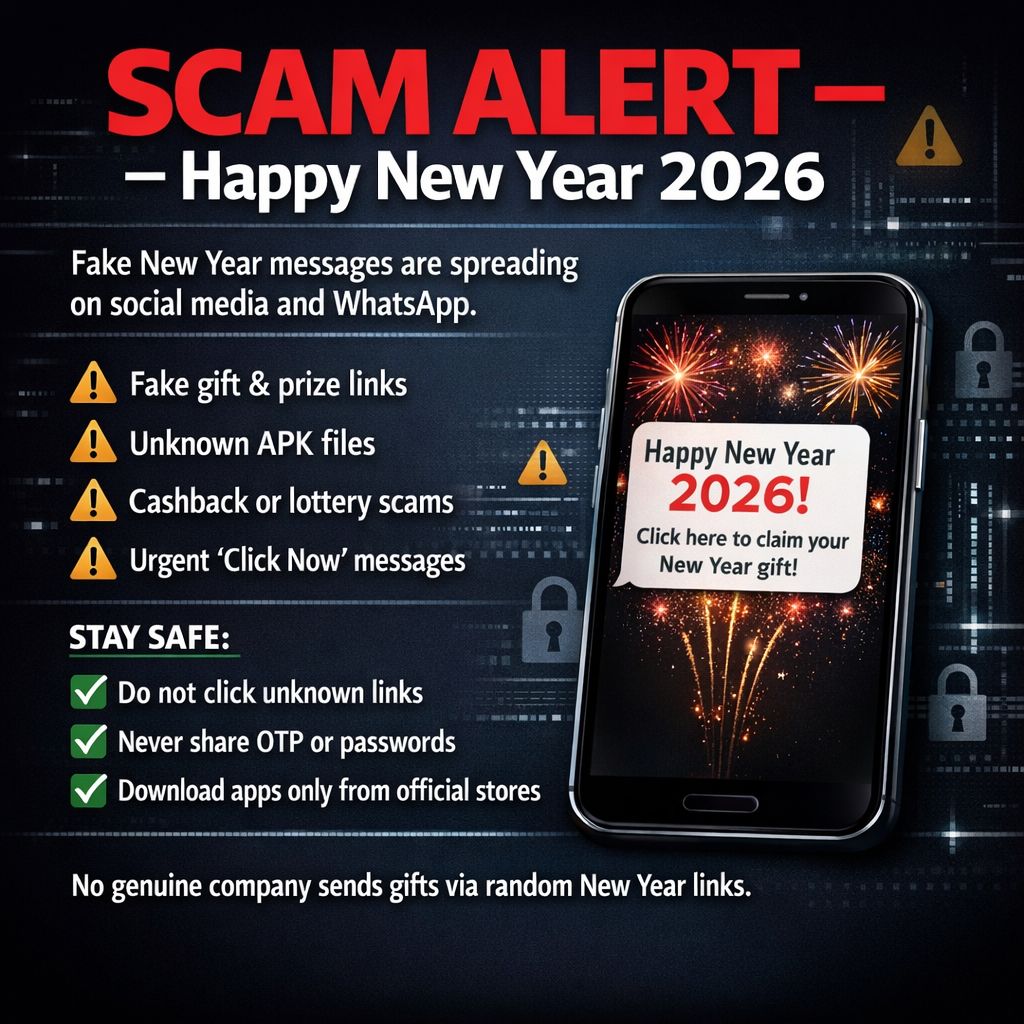
With the new year celebrations ready to kick off, cybercriminals see a golden opportunity to launch new schemes and cons. Let’s discuss some of the most common online scams that tend to surface as we prepare to welcome 2026.
Phishing Emails and Messages
Ah, the classic phishing scam—a favorite tool among cybercriminals that never seems to go out of style! Phishing emails and messages are all about tricking you into giving away personal information. Whether it’s a fake notice from your bank about an “account issue” or a deceptive confirmation for a package you didn’t order, these messages aim to create a sense of urgency or fear.
During the New Year period, phishing scams might disguise themselves as festive offers or bogus New Year sales. These emails often come with links that lead to fake login pages designed to steal your credentials. To recognize a phishing email, look for the following red flags:
– Sender’s email address seems off or slightly different from the official one.
– The message contains generic greetings like “Dear Customer” instead of addressing you by your name.
– There are spelling and grammatical errors—real companies invest in good grammar!
– The email pressures you to act quickly or face severe consequences.
Fake Websites and Online Stores
As we dive into New Year sales and deals, the excitement of scoring a bargain can sometimes make us overlook the warning signs of fake websites and online stores. These counterfeit websites try to fool unsuspecting shoppers into handing over money for goods that don’t exist or won’t be delivered.
These fraudulent sites often look eerily similar to those of legitimate brands and may offer “too-good-to-be-true” deals. Here are some tips to spot a fake website or online store:
– Double-check the URL: Fake websites often have slightly misspelled names or extra words in the domain.
– Look for secure connections: Legitimate websites should have their URLs starting with “https://”—the ‘s’ stands for secure.
– Analyze design quality: Low-quality images, outdated site elements, and inconsistent branding can be signs of a scam site.
– Research the store: A quick online search for reviews and ratings can help validate the legitimacy of an online store.
Social Media Scams
Social media is a fun place to share joy and connect with friends, but it’s also a playground for scammers looking to exploit your trusting nature. As New Year approaches, be on the lookout for social media scams offering fake giveaways, phony investment opportunities, or even scammy ads claiming massive discounts.
Social media scams typically work by promising something irresistible, like a giant prize or a trendy item at no cost. But there’s always a catch: a link to click, a survey to fill, or personal information to provide. Stay away from scams by:
– Being skeptical of unsolicited messages or friend requests from strangers.
– Avoiding clicking on links or downloading attachments sent through DMs.
– Realizing that genuine giveaways don’t ask for upfront fees or personal data.
Tips for Avoiding Online Scams
While recognizing scams is an important step, knowing how to avoid them altogether is even better. Here are tips to help you stay safe and sound as you navigate the online world this New Year.
Verifying Sources and Links
The online landscape is filled with information—and misinformation. Being able to verify sources and links before you click on them is crucial:
– Hover before you click: Use your cursor to hover over links to see where they lead before you click. If the URL looks suspicious or doesn’t match what’s promised, resist the click temptation.
– Trust, but verify: Always double-check the source of news articles, emails, or messages, especially if they request personal information or money.
– Use link-checking tools: There are online tools and browser extensions designed to verify link safety. These can be great allies in your quest for online security.
Strengthening Passwords and Security Measures
A solid foundation is the best defense against cyber threats, and this starts with strengthening your passwords and security measures:
– Create strong passwords: A strong password is at least 12 characters long and includes a mix of letters, numbers, and symbols. Avoid using easily guessable information like birthdays or common words.
– Use a password manager: Tools like 1Password or LastPass can help you create and store complex passwords securely, so you don’t have to remember them all.
– Enable two-factor authentication (2FA): Adding an extra layer of protection by enabling 2FA ensures that even if your password is compromised, you have additional security.
Being Cautious with Personal Information
Your personal information is a treasure trove for cybercriminals, so protecting it is key to avoiding online scams:
– Limit what you share: Be mindful of the information you share online, whether in social media posts, profiles, or surveys. Scammers frequently use this information to craft personalized attacks.
– Regularly review privacy settings: Keep your social media accounts locked down by regularly checking and updating your privacy settings. Make sure your information is only visible to people you trust.
– Be skeptical of unsolicited requests: Whether through email, phone, or social media, never give out personal info to someone you didn’t contact first or who can’t verify their identity.
By practicing these smart strategies during the New Year celebrations—and beyond—you’ll stand a better chance of keeping those pesky scammers at bay. Embrace the digital age with a cautious optimism and enjoy a safe, scam-free start to your 2026! Happy New Year!
The Role of Cyber Security Tools
In our increasingly online-driven world, cyber security tools are like the superheroes of the digital realm. They help us fend off the dark forces of scammers and cybercriminals lurking in cyberspace. Especially as we approach the New Year 2026, with potential online scams on the rise, it’s crucial to arm yourself with the best cyber security tools available. Let’s dive into how some of these digital wonders can help keep you safe!
Utilizing Antivirus Software
Antivirus software is like your first line of defense in the digital world. Just as you wouldn’t leave your front door unlocked, you shouldn’t browse the internet without a reliable antivirus program protecting your system. Antivirus software works tirelessly in the background, scanning files, websites, and emails for suspicious activities or malware ready to pounce.
– Real-time Protection: One of the biggest perks of antivirus software is its ability to monitor your device continuously. It scans downloads and blocks access to malicious websites in real-time.
– Automatic Updates: Threats are ever-evolving, which means antivirus programs need to update frequently to recognize new dangers. That’s why a good antivirus keeps itself and its threat database up to date automatically.
– Safe Online Browsing: Antivirus software often comes with features like safe browsing, which alerts you to potentially harmful websites before you visit them. Trust me, it’s like having a digital Sherpa guiding you through treacherous terrains.
Employing Two-Factor Authentication
If you want to add an extra layer of security to your online accounts, two-factor authentication (2FA) is your best friend. Imagine it as bolting your digital front door with two locks instead of one. Even if hackers crack the first lock, they’ll find themselves stuck without the second key.
– What is 2FA? It’s a security process where confirmation of your identity is required in two forms—commonly something you know (like a password) and something you have (such as a smartphone).
– Easy to Use: Many popular online services, from email providers to social media platforms, offer 2FA. And the set-up is usually a breeze—you’ll typically receive a text with a verification code whenever you log in. Simple, right?
– Additional Security: With 2FA, even if your password is compromised, the attacker would still need access to your second device or method of authentication. It’s like having a secret handshake that only you know!
Keeping Software and Systems Updated
Updating your software and systems may seem like one of those “I’ll do it later” tasks. However, keeping them up to date is critical for your cyber security. Those reminders that pop up telling you an update is available are not just for having the latest features (though that’s a perk!)—they’re critical for patching security vulnerabilities that hackers could exploit.
– Security Patches: Software developers regularly release updates to fix bugs and security flaws. By not updating, you leave your system open to exploitation.
– New Features: Updates aren’t all serious; sometimes they come with improved functionalities and features that can make your life easier and your system run smoother.
– Routine Checks: Make it a habit to check your device’s settings for available updates and install them promptly. You can even set up automatic updates to ensure you’re always protected.
Reporting and Responding to Online Fraud

Even with robust security measures, there’s no 100% guarantee that online scams won’t cross your path. What truly matters, then, is knowing how to respond rapidly and effectively. Let’s explore how you can spot scams and take the right steps to minimize damage if the need arises.
Identifying Scam Attempts
The first step in tackling scam attempts is becoming a detective. The more you know about the typical signs of a scam, the better prepared you’ll be to avoid them. Here are some red flags to watch out for:
– Too Good to Be True Offers: Deals promising impossibly good returns or shopping discounts that make you go “Wait, really?!” usually demand a closer look.
– Urgent or Threatening Language: Scammers often use high-pressure tactics, making it seem like you must act immediately or face dire consequences.
– Requests for Personal Information: Emails or messages asking for sensitive data like login credentials or credit card info should be regarded with suspicion.
– Poor Grammar and Spelling: Many scam messages are riddled with errors. A legitimate company typically rigorously checks its communication for such mistakes.
Why New Year 2026 Online Scams Are Rising Faster Than Ever ?
New Year 2026 online scams are increasing rapidly as cybercriminals exploit holiday excitement and digital habits. Fake New Year greetings, reward links, and urgent messages are designed to create curiosity and panic, forcing users to click without thinking. Understanding why New Year 2026 online scams are spreading helps users recognize early warning signs and stay protected from online fraud during the festive season.
New Year 2026 online scams are rising faster than ever due to the massive increase in digital communication during the holiday season. As people exchange New Year wishes through WhatsApp, email, SMS, and social media platforms, cybercriminals take advantage of this surge in online activity. They design fake greeting messages, reward links, and limited-time offers that look festive and trustworthy, making New Year 2026 online scams difficult to detect at first glance.
One of the main reasons New Year 2026 online scams are spreading so quickly is emotional manipulation. Messages often create excitement, urgency, or fear, pushing users to click links without verifying their source. Scammers know that during the New Year period, people are more likely to trust messages that appear to come from friends, family, or popular brands. This trust factor allows New Year 2026 online scams to spread rapidly through forwarded messages and shared links.
Another major factor behind the growth of New Year 2026 online scams is the increasing use of mobile devices for payments, shopping, and communication. A single careless click can expose personal data, banking details, or social media accounts to attackers. As cybercriminals continue to improve their tactics, staying aware of how New Year 2026 online scams operate is essential for protecting your digital identity and enjoying a safe start to the new year.
Contacting Authorities and Organizations
If you suspect you’ve encountered a scam or fallen victim to one, speaking up is essential. Reaching out to authorities and relevant organizations can help you mitigate the situation and may assist in catching the perpetrators.
– Report to Authorities: Contact local law enforcement or specialized cybercrime units. They can provide guidance and may take up an investigation.
– Notify Your Bank or Payment Method Provider: If financial information could have been compromised, contact your bank or credit card provider immediately to cancel or monitor the affected accounts.
– Alert the Platform: Whether it’s through an email provider or social media, report the suspicious message or user to the platform involved. This can help them warn others and reduce the spread.
Taking Preventive Actions Post-Scam
If you’ve found yourself on the receiving end of a scam, consider it a learning opportunity to strengthen your defenses against future attempts. Here’s what you can do next:
– Change Passwords: Update all passwords associated with sensitive accounts immediately. Ensure these new passwords are strong and unique. Remember, no using your dog’s name or your birthday!
– Monitor Accounts Vigilantly: Keep a close eye on your bank and credit card statements. Look for unfamiliar transactions and report them without delay.
– Educate Yourself and Others: Share your experience with friends and family so they’re aware of the scam tactics out there. The more you inform others, the harder you make it for scammers to succeed.
As we stroll into the New Year 2026, carrying our hopes and dreams, let’s make sure we don’t drag along any online scams. Embrace your digital world confidently, armed with the knowledge and tools to protect what’s precious. Keep yourself alert, your information secure, and the online scam artists at bay. Happy and safe New Year, everyone! 🌐🎉
Conclusion
As online activity continues to increase during festive seasons, New Year 2026 online scams have become a serious threat for users across social media, email, and messaging platforms. Cybercriminals often use fake New Year greetings, prize offers, and urgent links to trick users into sharing personal information or clicking malicious websites.
Staying informed about New Year 2026 online scams is the first and most important step toward protecting your digital identity and financial security. By avoiding unknown links, never sharing OTPs or passwords, downloading apps only from official sources, and verifying offers through trusted websites, you can significantly reduce the risk of falling victim to New Year 2026 online scams.
Staying safe online, especially as we enter the New Year 2026, is all about being vigilant and informed. By remembering key tips such as:
– Regularly updating your passwords
– Checking for secure websites (look for “https”)
– Being cautious of deals that seem too good to be true
You can keep potential scams at bay. Remember, it’s always better to be overly cautious than to fall victim to a scam. Stay safe, trust your gut, and don’t hesitate to reach out to cyber security professionals if you suspect fraud. Here’s to a secure and joyful 2026!
Awareness, caution, and responsible online behavior not only help safeguard your own data but also protect your friends and family when you share this information with them. As you welcome the new year, staying alert and proactive will ensure that New Year 2026 online scams do not spoil your celebrations or compromise your online safety.
New Year 2026 online scams are becoming more common as cybercriminals target users with fake greeting messages, phishing links, and fraud offers. These New Year 2026 online scams often appear as festive wishes, prize announcements, or cashback links designed to steal personal data and financial information. Staying informed about New Year 2026 online scams is the best way to protect yourself and your family during the holiday season.


