


Introduction
Greetings, fellow citizens! Whether you’re sipping a cup of coffee or just scrolling by, take a moment to dive into the fascinating world of fundamental rights and duties. These are the heartbeats of any thriving democracy. They shape how we live, interact, and contribute to society. By understanding these principles, we not only protect our own freedom but also respect the dignities of others around us. Ready to explore how these guideposts influence daily life? Let’s get started!
Understanding Fundamental Rights
 Image courtesy: Unsplash
In every democratic society, fundamental rights stand as the foundation upon which personal freedom and justice are built. These rights are the essential privileges that every citizen is entitled to, simply by virtue of being a part of a nation. Let’s delve deeper into what fundamental rights mean and why they matter.
Definition and Importance of Fundamental Rights
Fundamental rights are a set of legal protections embedded within a country’s constitution to ensure the liberty and equality of its citizens. These rights act as a safeguard against abuse by authorities and any attempts that could compromise an individual’s freedom or dignity.
The importance of fundamental rights cannot be overstated. They form the bedrock of a democratic society that respects human dignity and provides an environment where individuals can thrive. These rights:
– Protect citizens from discrimination and enable a fair treatment irrespective of race, gender, or religion.
– Ensure freedom of speech and expression, allowing individuals to voice their opinions without fear.
– Maintain the rule of law where everyone is subject to the law, promoting justice and equality.
Without fundamental rights, the essence of democracy would be ineffective, as the government would have unchecked power over the populace.
Categories of Fundamental Rights
Fundamental rights can be broadly classified into different categories, each serving a distinct purpose to protect and promote the well-being of individuals. Here are some prominent categories:
1. Right to Equality: Prevents discrimination and promotes equal treatment for every citizen.
2. Right to Freedom: Includes freedom of speech, expression, assembly, and the right to live freely as long as the law is respected.
3. Right to Protection Against Exploitation: Safeguards individuals from human trafficking, forced labor, and child labor.
4. Right to Freedom of Religion: Guarantees individuals the liberty to practice and propagate a religion of their choice or to not follow any religion.
5. Cultural and Educational Rights: Protects the rights of minorities to preserve their culture, language, and provides equal educational opportunities to children.
6. Right to Constitutional Remedies: Empowers individuals to approach a court of law in case of any infringement of their fundamental rights.
Each of these categories is designed to cover different aspects of an individual’s life, ensuring holistic protection and freedom.
The Role of Fundamental Rights in a Democracy
In a democratic framework, fundamental rights serve several crucial roles:
– Empowerment of Citizens: These rights empower citizens by giving them the liberty to participate actively in the political, social, and economic spheres without fear.
– Accountability of Government: They hold the government accountable, ensuring that any attempt to infringe these rights is met with legal resistance.
– Promotion of Social Welfare: By advocating for social justice and equality, they work towards the welfare of all members of society irrespective of their differences.
– Stability and Progress: The protection of these rights fosters a stable society, encouraging progress and development devoid of fears and conflicts.
Without these rights, democracy would merely be a concept without any real application or effect on the lives of the citizens.
Exploring Fundamental Duties
While fundamental rights receive much attention, it is crucial not to overlook the complementary aspect of this framework: fundamental duties. Responsibilities of citizens towards their nation ensure that while rights are enjoyed, they are balanced with a sense of duty.
Definition and Importance of Fundamental Duties
Fundamental duties are moral obligations imposed on citizens to observe and respect their country’s laws and its systems. They serve as a constant reminder that rights come with responsibilities that must be exercised to maintain harmony and order within society.
The importance of fundamental duties lies in:
– Ensuring National Integrity: They promote a sense of patriotism and allegiance to the country, which is pivotal for national unity and integrity.
– Building a Responsible Citizenry: Duties motivate citizens to act responsibly and contribute to societal welfare and development, turning individuals into proactive contributors to the community.
– Enforcement of Rights: While rights are safeguarded by law, duties are what ensure that these rights are exercised within the framework of the law without infringing on others’ rights.
Examples of Fundamental Duties
Some salient examples of fundamental duties include:
– Respect for National Symbols: Such as the national flag and anthem, fostering a sense of national pride.
– Compliance with the Law: Adhering to the constitution and other laws of the country to maintain peace and order.
– Protection of the Environment: Safeguarding natural resources and promoting practices toward environmental conservation.
– Promotion of Harmony: Amongst different sections of society, transcending religious, cultural, and linguistic differences.
– Safeguarding Public Property: To preserve community-owned resources and infrastructure for future generations.
These duties may not always be legally enforceable but act as an ethical compass guiding citizens towards constructive societal behavior.
The Interrelationship Between Rights and Duties
The connection between fundamental rights and duties is akin to two sides of the same coin. The existence of one predicates the existence of the other, forming a symbiotic relationship. Here’s how they interrelate:
– Mutual Fulfillment: Duties ensure that citizens exercise their rights responsibly, preventing any abuse that could harm others or society as a whole.
– Civic Balance: While rights grant individuals their freedoms, duties ensure these freedoms are exercised with consideration to societal welfare and the rights of fellow citizens.
– Promotion of Common Good: It aligns personal liberties with societal goals, ensuring that the exercise of rights does not become self-serving but contributes to collective growth and harmony.
Understanding this balance is essential for any citizen aware of both their privileges and responsibilities. As individuals exercise their rights and fulfill their duties, they actively participate in nurturing a robust democracy, fostering respect, and inclusivity within the community.
In conclusion, fundamental rights and duties are vital cogs in the machinery of a democratic society. They empower individuals, hold governments accountable, and ensure societal harmony, crafting an environment where democracy can flourish. As active citizens, recognizing the significance and interplay of these elements is the first step towards promoting a more just, equitable, and responsible world.
Global Perspectives on Rights and Duties
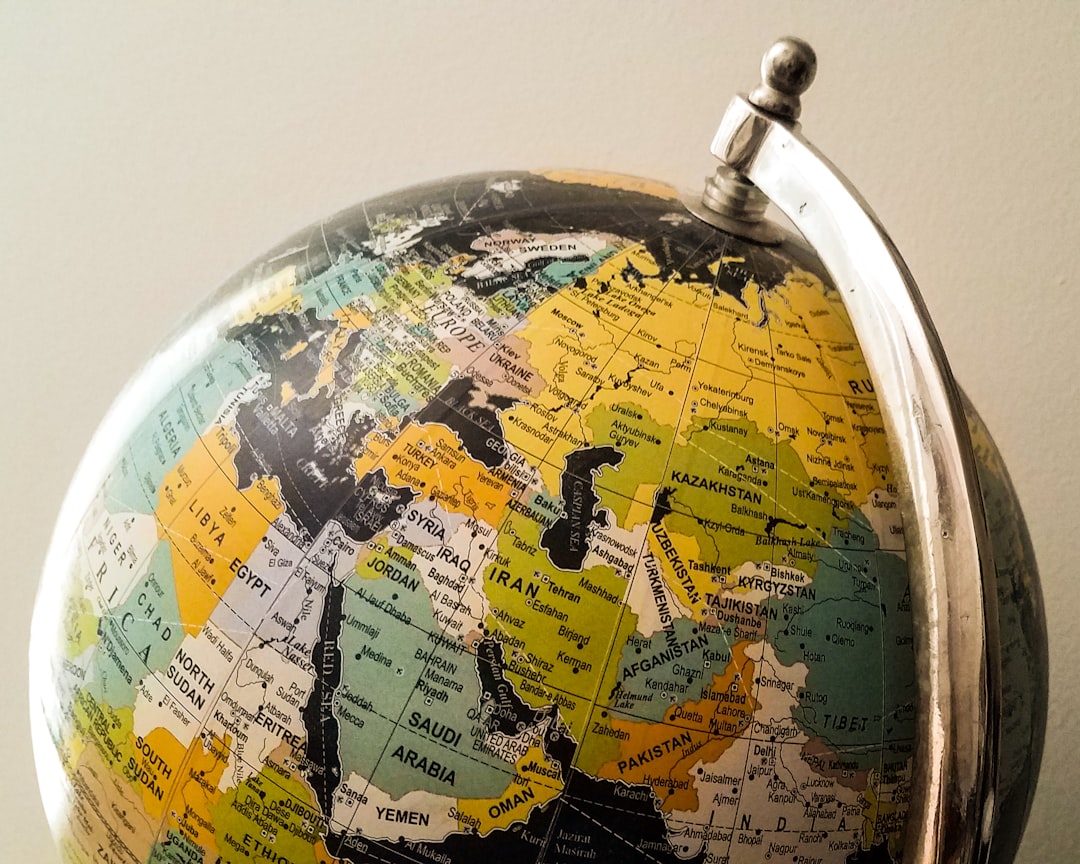 As we dive deeper into fundamental rights and duties, it’s intriguing to see how the world views these concepts. Various countries have different approaches, reflecting their unique cultural, historical, and political landscapes. Let’s explore these perspectives to better understand the similarities and differences that exist globally.
Comparison of Different Constitutional Frameworks
From the United States to India, and Germany to South Africa, each country’s constitution lays the groundwork for what citizens can expect as their fundamental rights and duties. Here are some interesting comparisons:
– United States: The U.S. Constitution and the Bill of Rights are foundational, emphasizing individual freedoms such as the right to free speech, religion, and a fair trial. The emphasis here is heavily on individual rights with less formal detail on duties.
– India: The Indian Constitution marks a robust framework with a list of Fundamental Rights, like the right to equality and freedom, alongside the Directive Principles of State Policy and Fundamental Duties. Duties here, such as respecting national symbols and preserving heritage, reflect a balance between rights and social responsibilities.
– South Africa: Known for its progressive constitution post-apartheid, it incorporates a comprehensive bill of rights, aiming to address past injustices. It also highlights duties connected to promoting human dignity and equality.
– Germany: With a focus on human dignity and democratic principles, the German Basic Law includes mandatory duties like paying taxes, military service, and environmental stewardship, demonstrating a connection between rights and responsibilities.
Impact of Culture and History on Civic Responsibilities
The cultural and historical backdrop of a nation significantly shapes its civic responsibilities. For example:
– Historical Influence: Countries with histories of colonization, like many in Africa and Asia, often frame their duties around independence and cultural preservation. In contrast, nations like the United States, which grew on the frontier spirit, focus more on individualism and freedom.
– Cultural Norms: In Japan, the concept of community and harmony greatly influences the duties of its citizens. There is a collective responsibility towards community service and social harmony, reflecting deep cultural values.
– Religious Influence: In the Middle East, many countries draw from religious texts to frame both rights and duties, intertwining civic responsibilities with spiritual teachings.
Case Studies: Success Stories and Challenges
Looking at specific cases can give us practical insights into how rights and duties play out on the ground. Here are some success stories and challenges faced globally:
– Success Story – Norway: In Norway, the integration of environmental rights and duties into their national framework has fostered a strong culture of sustainability, proving beneficial for global environmental movements.
– Challenge – Venezuela: In countries like Venezuela, while the constitution lists significant rights, political and economic turmoil often hinder their realization, posing continuous challenges in ensuring these rights translate to everyday life.
– Success Story – South Korea: South Korea’s integration of technology rights and duties, focusing on digital literacy and access, stands as a remarkable success, setting a benchmark for digital inclusion.
These examples illustrate the dynamic and evolving nature of civic responsibilities, highlighting both achievements and obstacles in realizing fundamental rights globally. Understanding these varying perspectives and contexts not only educates us but also helps foster a greater appreciation for the rights and duties we possess as citizens of the world.
Conclusion
Understanding our fundamental rights and duties is crucial for maintaining a harmonious and democratic society. By knowing our rights, we can better protect ourselves and others from injustice. Here are some key takeaways:
– Fundamental rights safeguard our freedom and dignity.
– Duties remind us of our civic responsibilities.
– Both are essential for a thriving democracy.
When we actively exercise our rights and fulfill our duties, we contribute to a fair and equitable society for everyone. Let’s embrace both with commitment and care.


